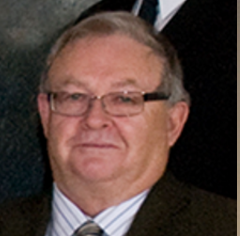
George Glazier
Message from the Chairman
East Central 911 came to be in 2005 when a group of 27 Municipalities joined to build a safety net; a 911 Centre to meet the varied emergency needs of its residents. Over the years since that time we have worked hard to build an organization that we are very proud of.
We provide all those little add-ons that make a world of difference to emergency departments when everybody is scrambling. At EC911 we hear from all of our members and adjust their protocols to make sure everything works as well as it can for their departments. We are proud that we are not only diverse, highly technological, customizable and part of our departments and communities, but in this economic environment we are affordable as well.
It’s too bad that the Province centralized ground ambulance dispatch between 2009 – 2013. We were not alone in that loss. All of Alberta experienced a similar transition. That is today's reality and we have to work hard to enhance what we have.
We are focused on all the support services that we can provide our communities. For example, EC911 monitors every fire permit across 6 counties…. sometimes 200-300 daily to ensure that appropriate fire responses occur.
While not everybody we provide services to is a member, members do get additional services like Alarm Monitoring, After Hours services and Work Alone services just to name a few.
So where are we going? I’ve asked myself that question many times. We are comfortable in our current situation. Growth is a good thing but too much takes away from what we do and who we are.
We’ve recently updated our Strategic Planning Document for your interest. It provides direction and focus for the future. We intend to continue developing helpful emergency support services for our communities in the interest of enhancing the rural safety net.
Take a look at our website and be sure to contact us if you have any questions.
Best Regards,
George Glazier
Chair, Board of Directors
May 2017
East Central 911 came to be in 2005 when a group of 27 Municipalities joined to build a safety net; a 911 Centre to meet the varied emergency needs of its residents. Over the years since that time we have worked hard to build an organization that we are very proud of.
We provide all those little add-ons that make a world of difference to emergency departments when everybody is scrambling. At EC911 we hear from all of our members and adjust their protocols to make sure everything works as well as it can for their departments. We are proud that we are not only diverse, highly technological, customizable and part of our departments and communities, but in this economic environment we are affordable as well.
It’s too bad that the Province centralized ground ambulance dispatch between 2009 – 2013. We were not alone in that loss. All of Alberta experienced a similar transition. That is today's reality and we have to work hard to enhance what we have.
We are focused on all the support services that we can provide our communities. For example, EC911 monitors every fire permit across 6 counties…. sometimes 200-300 daily to ensure that appropriate fire responses occur.
While not everybody we provide services to is a member, members do get additional services like Alarm Monitoring, After Hours services and Work Alone services just to name a few.
So where are we going? I’ve asked myself that question many times. We are comfortable in our current situation. Growth is a good thing but too much takes away from what we do and who we are.
We’ve recently updated our Strategic Planning Document for your interest. It provides direction and focus for the future. We intend to continue developing helpful emergency support services for our communities in the interest of enhancing the rural safety net.
Take a look at our website and be sure to contact us if you have any questions.
Best Regards,
George Glazier
Chair, Board of Directors
May 2017